Moving in Alaska on a Budget
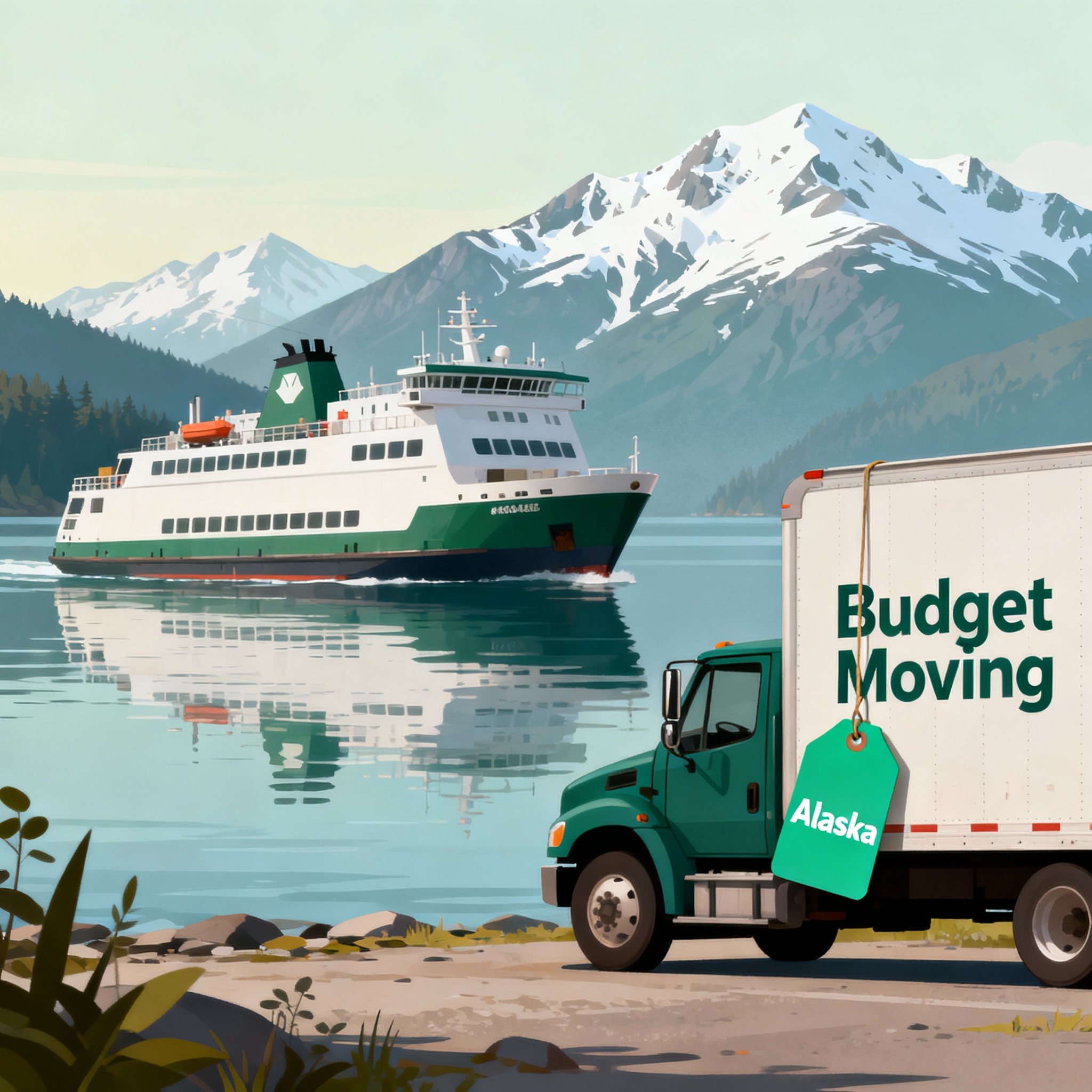
Relocating across Alaska blends dramatic scenery with unique logistics and costs, so careful planning is the fastest route to savings on trucks, ferries, and labor while keeping stress low. A practical approach is to compare quotes, time the move right, and mix DIY with targeted professional help; benchmark hybrid options with providers such as independencemovingandstorage.com.

Deep Guide: Moving in Alaska on a Budget
1. Strategy first: scope, constraints, priorities
Define the total scope early: inventory by category, access constraints at origin/destination, and move objectives. Shrinking volume and weight is the cheapest “discount.” Declutter aggressively, sell bulky items with poor value-to-weight ratios, and reinvest into essentials at destination. Access constraints—stairs, narrow halls, limited parking—drive labor time and fees; surface these in quote requests so estimates stay honest.
2. Transport math: trucks, ferries, routes
Alaska’s highways and marine corridors dictate the transport model. Compare day-plus-mileage rentals vs. flat corridors. For coastal moves, reserve ferry space early, verify vehicle dimensions, and budget for rebooking. Keep a 10–15% contingency for weather diversions. For gravel or seasonal roads, confirm rental policies on unpaved segments and chains.
3. Hybrid labor: buy time, cut cost
The sweet spot for many movers is hybrid: drive a rented truck while hiring pros for load and unload. This compresses the injury-prone hours without paying for full-service miles. Specify item counts, heavy pieces, and stairs to avoid surprise surcharges. If timing is tight, schedule unload first and add a flex day buffer to protect ferry or highway delays.
4. Packing system that saves hours
Standardize box sizes, color-code by room, and label two adjacent sides plus the top. Use a simple numbering scheme and a spreadsheet inventory for high-value items. Protect furniture with blankets and stretch wrap; bag detachable hardware and tape it to the furniture. The goal is speed and damage reduction during load/unload, not just pretty boxes.
5. Weather buffers and contingencies
Storms, ice, and ferry shifts are normal. Build buffers: a staging day pre-departure, a mid-route storage option, and a refundable ferry slot if available. Keep essentials in a week-long “go box” in case keys or utilities are delayed at destination. For winter, plan daylight driving windows and anti-ice supplies.
6. Negotiation and quotes
Request at least three quotes for identical scope so comparisons are real. Ask for line items: labor hours, equipment, mileage, fuel, tolls, ferry, stairs, long-carry, shuttle, storage, and insurance. For hybrids, specify that packing is DIY to avoid upsells. Hold dates with a small deposit only after terms are clear.
7. Case studies: corridor vs coastal
Anchorage → Fairbanks corridor: DIY truck plus pro load/unload, winter buffer day, and standardized 3-size packing reduced the total by 24% vs full service, with a predictable 1-day unload.
Coastal route with ferry: Early ferry reservation and flexible return date avoided rebooking fees; staging storage bridged a weather delay. The hybrid plan cut cost by ~30% compared to full-service marine handling.
8. Templates
Create a simple budget sheet with categories: Transport, Labor, Packing, Storage, Contingency. Track quotes, deposits, and due dates. Pair it with a weekly timeline and a room-by-room packing checklist.
For quotes and hybrid comparisons, contact independencemovingandstorage.com alongside two alternatives to triangulate shoulder-season pricing and availability.